Social Media Marketing Strategies & Tips

 1. Define Your Goals

Before diving into social media marketing, it’s essential to define your goals. What do you want to achieve? Whether it’s increasing brand awareness, driving website traffic, generating leads, or boosting sales, having clear objectives will guide your strategy.

2. Know Your Audience

Understanding your target audience is crucial. Conduct market research to identify their demographics, interests, and pain points. This information will help you create content that resonates with your audience and speaks to their needs.

3. Choose the Right Platforms

Not all social media platforms are created equal. Each has its unique user base and content style. Select the platforms that align with your target audience and business goals. Common platforms include Facebook, Instagram, Twitter, LinkedIn, and TikTok.

4. Create Compelling Content

Content is king in social media marketing. Craft high-quality, relevant, and engaging content that provides value to your audience. This can include blog posts, videos, infographics, and more.

5. Consistency is Key

Consistency is vital for building a loyal following. Post regularly and maintain a consistent brand voice and style across all your social media channels.

6. Utilize Visual Content

Visual content, such as images and videos, tends to perform better on social media. Invest in eye-catching visuals that tell your brand’s story effectively.

7. Engage with Your Audience

Social media is a two-way street. Engage with your audience by responding to comments, messages, and mentions. Encourage discussions and build a community around your brand.

8. Use Hashtags Wisely

Hashtags can help expand your reach on platforms like Instagram and Twitter. Research relevant hashtags and use them strategically in your posts.

9. Leverage Paid Advertising

While organic reach is valuable, consider using paid advertising to boost your social media presence. Platforms like Facebook Ads and Instagram Ads offer precise targeting options.

10. Analyze and Adjust

Regularly monitor your social media performance using analytics tools. Track metrics like engagement, reach, and conversion rates. Use the data to refine your strategy and make necessary adjustments.

11. Stay Informed

Social media trends and algorithms are continually evolving. Stay up-to-date with the latest developments in the social media landscape to adapt your strategy accordingly.

12. Build Relationships with Influencers

Collaborating with social media influencers can help you reach a broader audience and gain credibility. Identify influencers in your niche and explore partnership opportunities.

13. Protect Your Brand’s Reputation

Address negative comments and reviews professionally and promptly. Protect your brand’s reputation by handling criticism with care and empathy.

14. Encourage User-Generated Content

Encourage your followers to create and share content related to your brand. User-generated content can be a powerful endorsement and boost engagement.

15. Test and Experiment

Don’t be afraid to try new strategies and tactics. A/B testing can help you identify what works best for your brand and audience.

For More View:

SEO Services Bangalore | SEO Companies Bangalore | SEO Consultants Bangalore | Website Design companies Bangalore | Ecommerce Web Development Company Bangalore | Ecommerce Web Design Company Bangalore | Shopify Web Development Company Bangalore

Social Media Marketing: How to Avoid the Worst Practices

 In the ever-evolving landscape of digital marketing, social media has emerged as a powerful tool for businesses to connect with their audience, build brand awareness, and drive sales. However, not all social media marketing tactics are created equal. Some strategies can do more harm than good, damaging your brand’s reputation and wasting valuable resources. In this blog post, we will explore the worst social media marketing tactics and provide you with actionable insights on how to avoid them.

  1. Buying Fake Followers:

One of the gravest mistakes you can make in social media marketing is buying fake followers. While it may seem tempting to boost your follower count overnight, these fake followers do not engage with your content, and they can even harm your credibility when discovered. Instead, focus on growing your follower base organically by creating valuable content that resonates with your target audience.

  1. Overwhelming Automation:

Automation tools can be a lifesaver for managing social media, but relying too heavily on them can backfire. Over-automation can result in robotic, impersonal interactions that turn off your audience. Strike a balance by using automation for routine tasks like scheduling posts but make sure to engage personally with your followers when it matters most.

  1. Ignoring Negative Feedback:

Negative comments and feedback are a part of social media. Ignoring or deleting them can make your brand appear unresponsive or even untrustworthy. Instead, address negative feedback professionally and use it as an opportunity to showcase your commitment to customer satisfaction. Show empathy, offer solutions, and turn negative experiences into positive ones whenever possible.

  1. Inconsistent Branding:

Inconsistency in branding, such as using different logos, color schemes, or messaging across platforms, can confuse your audience and dilute your brand identity. Create clear brand guidelines and ensure that all your social media profiles are aligned with your brand’s visual and messaging standards.

  1. Neglecting Analytics:

Not analyzing your social media performance is a recipe for failure. Failing to track key metrics such as engagement, reach, and conversion rates can lead to wasted efforts and missed opportunities. Regularly monitor your social media analytics, identify trends, and adjust your strategy accordingly to achieve better results.

  1. Over-Promotion:

Constantly bombarding your followers with promotional content can drive them away. Social media is a platform for building relationships, not just selling products or services. Focus on creating a balance between promotional and informative content, ensuring that your audience derives value from your posts.

  1. Failing to Adapt:

Social media trends and algorithms change rapidly. Failing to adapt to these changes can result in a decline in your reach and engagement. Stay up-to-date with the latest social media trends, algorithm updates, and emerging platforms to remain relevant and effective in your marketing efforts.

Conclusion:

Avoiding the worst social media marketing tactics is essential for building a strong and authentic online presence. By steering clear of strategies like buying fake followers, over-automation, and neglecting negative feedback, you can build trust with your audience, enhance your brand’s reputation, and achieve better results in your social media marketing campaigns. Stay vigilant, adapt to the evolving landscape, and focus on providing value to your followers to succeed in the world of social media marketing.

For More View:

SEO Company Bangalore | Bangalore SEO Company | Bangalore SEO Companies
SEO Services Bangalore| SEO Companies Bangalore

Website Designing Company Bangalore | Website Design companies Bangalore
Ecommerce Web Development Company Bangalore | Ecommerce Web Design Company Bangalore | Shopify Web Development Company Bangalore| Shopify Web Design Company Bangalore

Most Important Tools for Content Marketing in Digital Marketing

Content marketing is a pivotal aspect of any successful digital marketing strategy. In an age where information is readily accessible and consumer attention spans are limited, creating and distributing valuable, engaging, and relevant content is essential. To help you thrive in the digital marketing landscape, we’ve compiled a list of the most important tools for content marketing. These tools can streamline your content creation process, enhance your content’s quality, and boost your overall digital marketing efforts.

Content Management Systems (CMS):

WordPress: WordPress is a versatile CMS that allows you to create and manage content easily. It offers a wide range of plugins and themes to customize your website.

Keyword Research Tools:

Google Keyword Planner: This free tool helps you identify keywords with high search volume and low competition.

Ahrefs: A comprehensive SEO tool that provides keyword research, backlink analysis, and content insights.

Content Creation Tools:

Grammarly: A writing assistant that checks for grammar, spelling, and style issues, ensuring your content is error-free.

Canva: A user-friendly graphic design tool for creating eye-catching visuals and infographics to accompany your content.

Content Calendar and Planning Tools:

CoSchedule: Helps you organize and schedule content, manage social media, and track performance in one platform.

Trello: A versatile project management tool that can be adapted for content planning and collaboration.

SEO Tools:

Moz: Offers a suite of SEO tools including keyword research, site audits, and rank tracking to improve your content’s visibility.

SEMrush: Provides competitive analysis, keyword research, and SEO auditing to optimize your content for search engines.

Email Marketing Platforms:

Mailchimp: Allows you to create and automate email campaigns to nurture leads and engage with your audience.

HubSpot: Offers a full suite of inbound marketing tools, including email marketing, to nurture leads and track user interactions.

Social Media Management Tools:

Buffer: Helps you schedule and analyze social media posts, ensuring your content reaches the right audience at the right time.

Hootsuite: Provides social media scheduling, monitoring, and analytics for multiple platforms in one dashboard.

Analytics Tools:

Google Analytics: Offers valuable insights into website traffic, user behavior, and content performance.

Content Marketing Analytics Platforms: Tools like HubSpot, ContentCal, or Sprout Social provide in-depth content performance metrics.

Content Distribution Tools:

Buffer Publish: Simplifies content distribution on social media by scheduling posts across various platforms.

Outbrain: Amplifies your content by promoting it on high-traffic websites through native advertising.

Video and Multimedia Tools:

YouTube: An essential platform for hosting and sharing video content.

Adobe Premiere Pro: A professional video editing software for creating high-quality video content.  

Conclusion:

Effective content marketing is a blend of strategy, creativity, and the right tools. These essential tools can help you streamline your content marketing efforts, optimize your content for search engines, engage with your audience on social media, and track your performance. At present, SEO Services Bangalore is the most effective marketing channel. Furthermore, it can result in instant results and attract potential customers. It is easier to discover various dynamics of search result rankings if the solutions are backed by a team of experienced professionals. Our SEO Services Bangalore are founded on efficient skills in content creation and meticulous activities working under SEO-relevant factors. Using SEO services can easily outperform any other marketing channel by driving business directly to the website.

For More View:

Bangalore SEO Companies | SEO Services Bangalore | SEO Companies Bangalore
SEO Consultants Bangalore

Web Development Company Bangalore | Web Design Companies Bangalore
Website Designing Company Bangalore | Website Design companies Bangalore
Ecommerce Web Development Company Bangalore | Ecommerce Web Design Company Bangalore

How to Create Facebook Ads

 Facebook Ads have become a powerful tool for businesses and marketers to reach their target audience and achieve their marketing goals. With over 2.8 billion monthly active users, Facebook offers an enormous potential audience. However, creating effective Facebook Ads requires more than just clicking a few buttons. In this step-by-step guide, we will walk you through the process of creating Facebook Ads that are not only eye-catching but also capable of driving real results for your business.

Step 1: Define Your Objectives

Before you dive into creating Facebook Ads, it’s essential to clarify your goals. Ask yourself what you want to achieve with your advertising campaign. Are you looking to increase website traffic, generate leads, boost sales, or simply raise brand awareness? Your objectives will shape the rest of your ad campaign, from ad format to targeting.

Step 2: Set Up Your Facebook Business Manager

If you don’t already have a Facebook Business Manager account, you’ll need to create one. This centralized platform allows you to manage your Facebook Ads, pages, and other assets efficiently. Once you’ve set up your Business Manager, you can create ad accounts, add team members, and organize your advertising efforts.

Step 3: Understand Facebook Ad Formats

Facebook offers various ad formats, each suited for different marketing goals. These include:

Image Ads: Single images with ad copy.

Video Ads: Engaging video content.

Carousel Ads: Multiple images or videos in a scrollable format.

Slideshow Ads: A combination of images and video.

Collection Ads: A format that combines images and videos in an immersive experience.

Lead Ads: Forms directly within the ad for lead generation.

Messenger Ads: Ads that appear in Facebook Messenger.

Choose the format that aligns with your objectives and creative assets.

Step 4: Define Your Target Audience

One of the most significant advantages of Facebook Ads is its robust targeting options. You can define your audience based on demographics, interests, behaviors, and even custom audiences like website visitors or email subscribers. Be specific in targeting to ensure your ads reach the right people.

Step 5: Set Your Budget and Schedule

Decide how much you want to spend on your Facebook Ads and choose between a daily or lifetime budget. You can also schedule your ads to run at specific times to reach your audience when they’re most active.

Step 6: Create an Engaging Ad Creative

Your ad creative is what will capture your audience’s attention. Ensure your visuals are high-quality, and your ad copy is concise, compelling, and aligned with your objectives. Test different ad variations to see what resonates best with your audience.

Step 7: Choose Ad Placements

Facebook allows you to choose where your ads will appear, including Facebook, Instagram, Audience Network, and Messenger. Select the placements that make the most sense for your campaign and audience.

Step 8: Monitor and Optimize

Once your ads are live, keep a close eye on their performance. Facebook provides detailed analytics to track metrics like click-through rates (CTR), conversion rates, and return on ad spend (ROAS). Use this data to make informed adjustments and optimizations to improve your ad campaign’s effectiveness.

Step 9: A/B Testing

Don’t be afraid to experiment with different ad elements, such as headlines, images, and audience segments. A/B testing helps you identify what works best and refine your ads for better results.

Conclusion

Creating successful Facebook Ads is a dynamic process that requires continuous learning and optimization. By defining your objectives, understanding ad formats, targeting the right audience, and crafting compelling creative, you can create ads that not only grab attention but also drive real business results. Stay flexible, analyze your data, and refine your approach to continually improve the performance of your Facebook Ads.

For More View:

Bangalore SEO CompaniesSEO Services Bangalore SEO Companies Bangalore

SEO Company Bangalore | Bangalore SEO Companies | Bangalore SEO Companies

6 Effective SEO Strategies For E-Commerce Businesses

One powerful way to achieve this is by mastering search engine optimization (SEO). To help your e-commerce business thrive, we’ll explore six effective SEO strategies, including an intriguing twist: side heating. Let’s dive in!

Conduct a Comprehensive Keyword Research:

Keyword research forms the bedrock of any successful SEO strategy. Start by identifying relevant keywords and phrases related to your products or services. Tools like Google Keyword Planner, SEMrush, or Ahrefs can be invaluable for this task.

Additionally, consider long-tail keywords that reflect user intent more precisely. For example, if you sell side heating panels, target keywords like “energy-efficient side heating panels” or “wall-mounted side heating solutions.”

Optimize Your Product Pages:

Once you’ve compiled your list of keywords, it’s time to optimize your product pages. Ensure that your product titles, descriptions, and meta tags incorporate these keywords naturally.

High-quality images and videos can enhance user experience and encourage conversions. Optimize image alt text and file names for better search visibility.

Don’t forget about user-generated content, such as reviews and ratings, as they add authenticity and credibility to your product pages.

Build High-Quality Backlinks:

Backlinks are a critical aspect of SEO. Focus on building high-quality, authoritative backlinks from reputable websites within your industry or niche.

Guest posting, influencer partnerships, and content marketing can help you earn backlinks naturally.

Remember to disavow low-quality or spammy backlinks that could harm your site’s reputation.

Utilize Social Media for SEO:

Social media and SEO are intertwined. Sharing your content on platforms like Facebook, Twitter, Instagram, and Pinterest can drive traffic to your e-commerce site.

Engage with your audience, respond to comments, and encourage social sharing to increase your content’s reach.

Leverage social media advertising to target specific demographics interested in your products.

Improve Your Site Speed and Mobile Optimization:

Google considers site speed and mobile optimization as ranking factors. A slow-loading website can deter visitors and affect your SEO rankings.

Optimize images, use content delivery networks (CDNs), and enable browser caching to improve site speed.

Ensure your website is responsive and user-friendly on mobile devices, as a growing number of users shop on smartphones and tablets.

Monitor Your Analytics and Refine Your Strategy:

Regularly monitor your website’s performance using tools like Google Analytics and Google Search Console. Track key metrics such as organic traffic, click-through rates, and conversion rates.

Use the data to refine your SEO strategy. Identify which keywords are performing well and which pages need improvement.

Stay up-to-date with SEO trends and algorithm changes to adapt your strategy accordingly.

Bonus: Side Heating – A Unique Selling Point (USP):

Incorporating “side heating” as a unique selling point for your e-commerce business can set you apart from competitors. Highlight the benefits of this feature in your product descriptions and marketing materials.

Create dedicated content, such as blog posts or videos, that showcase how side heating can improve users’ lives or solve common problems.

Conclusion:

SEO Digitz Provides SEO Services Bangalore Effective SEO strategies are essential for e-commerce businesses looking to thrive in a competitive landscape. By conducting comprehensive keyword research, optimizing product pages, building high-quality backlinks, utilizing social media, improving site speed and mobile optimization, and continuously monitoring analytics, you can boost your online visibility and drive more traffic and sales. And by adding side heating as a unique selling point, you can attract even more attention and differentiate yourself in the market.

For More View:

Website Development Company Bangalore | Web Development Company Bangalore| Website Design companies Bangalore | Ecommerce Web Design Company Bangalore | Shopify Web Development Company Bangalore

SEO Company Bangalore | Bangalore SEO Company | Bangalore SEO Companies | SEO Services Bangalore | SEO Companies Bangalore | SEO Consultants Bangalore

Make Your Travel Website More Successful With SEO

 Keyword Research:

One of the fundamental aspects of SEO is keyword research. To attract travelers to your website, you need to understand what words and phrases they are searching for. SEO Digitz can help you identify relevant keywords and long-tail phrases related to travel destinations, experiences, and services. By optimizing your website content with these keywords, you can improve your chances of ranking higher in search engine results pages (SERPs).

Optimize for Local SEO:

Local SEO is essential for travel websites, as many travelers search for specific destinations and services in particular locations. SEO Digitz can assist you in optimizing your website for local searches. This includes creating location-specific content, setting up and optimizing your Google My Business listing, and encouraging customer reviews.

Content Creation:

High-quality, informative, and engaging content is the backbone of SEO success. SEO Digitz can help you create travel-related content that not only showcases your expertise but also appeals to search engines and travelers alike. From destination guides and travel tips to blog posts and videos, a well-rounded content strategy can drive organic traffic to your website.

Mobile Optimization:

Travelers often use their mobile devices to search for information on the go. SEO Digitz can ensure that your website is mobile-friendly and responsive, providing an excellent user experience for mobile users. Google also prioritizes mobile-friendly websites in its rankings, making this optimization crucial.

Page Speed Optimization:

Slow-loading websites can drive visitors away and negatively impact your SEO rankings. SEO Digitz can help you optimize your website’s page speed, ensuring that it loads quickly and efficiently. This involves optimizing images, reducing unnecessary code, and leveraging browser caching.

Link Building:

Building high-quality backlinks is another SEO strategy that SEO Digitz specializes in. By earning links from authoritative travel websites, you can improve your website’s credibility in the eyes of search engines. This, in turn, can boost your search engine rankings and drive more organic traffic.

Monitoring and Analytics:

SEO is an ongoing process. SEO Digitz can set up analytics tools to monitor your website’s performance and provide regular reports. This data-driven approach allows you to make informed decisions and continuously optimize your travel website for better results.

User Experience (UX) and Design:

SEO isn’t just about keywords and backlinks; it also involves providing a seamless user experience. SEO Digitz can work with you to ensure that your website’s design is user-friendly, intuitive, and visually appealing, enhancing the overall user experience. 

Conclusion:

 If you are searching for SEO Company Bangalore, you have also searched for an SEO agency in Bangalore or SEO services in Bangalore or SEO company in Bangalore, but you need not look any further because we provide comprehensive SEO strategies for your brand which can help you grow your search visibility in no time and get you more traffic. In simple terms, SEO Digitz is a top Bangalore SEO company. To help our clients/brands achieve their business goals, our SEO experts in Bangalore applied all the innovative ideas. In Bangalore, we offer digital marketing services.

For More View:

Website Designing Company Bangalore | Web Development Company Bangalore
Web Design Companies Bangalore | Website Designing Company Bangalore

Bangalore SEO Company | Bangalore SEO Companies| SEO Services Bangalore
SEO Companies Bangalore

Why Every Small Local Business Needs a Website

While some entrepreneurs may believe that a website is unnecessary for their brick-and-mortar establishment, the reality is that a well-designed website can serve as a digital lifeline, offering numerous benefits that can help your business thrive. In this blog post, we’ll explore why every small local business needs a website.

Visibility and Accessibility:

A website acts as your virtual storefront, making your business accessible to potential customers 24/7, regardless of your physical store’s operating hours.

It allows customers to find you easily through search engines, online directories, and social media, increasing your visibility among local consumers.

Credibility and Trust:

A professionally designed website conveys a sense of legitimacy and trustworthiness, helping to build confidence in your brand.

Customer reviews, testimonials, and an “About Us” page can further enhance your credibility.

Information Hub:

Your website can serve as a centralized hub for all essential information about your business, such as contact details, product or service offerings, pricing, and frequently asked questions.

This helps customers find the information they need quickly, reducing the burden on your staff and improving the customer experience.

Competitive Edge:

Many of your competitors are likely already online, and having a website levels the playing field. It allows you to compete with larger businesses and reach a wider audience.

Marketing and Promotion:

A website provides a platform for digital marketing efforts, including email marketing, social media integration, and blogging.

You can use your website to showcase promotions, special offers, and upcoming events, attracting more local customers.

Customer Engagement:

Features like a blog, newsletter, or contact form enable you to engage with your customers and gather valuable feedback.

Interactive elements like live chat can provide real-time support and improve customer satisfaction.

Analytics and Insights:

Websites offer valuable data through analytics tools, helping you understand customer behavior, preferences, and demographics.

This data can inform your marketing strategies and lead to better decision-making.

Adaptability to Changing Times:

In times of crisis or unforeseen circumstances (like the COVID-19 pandemic), a website can be a lifeline to keep your business afloat by offering online ordering, delivery options, or updates on store hours.

Local SEO Optimization:

Optimizing your website for local search helps your business appear in local search results, making it easier for nearby customers to find you.

Cost-Effective Marketing:

Compared to traditional advertising methods, maintaining a website is cost-effective and provides a long-term marketing solution.

Conclusion:

  The most happening eCommerce hub on the Internet is Shopify. SEO Digitz, a Shopify Web Development Company Bangalore, helps businesses display products and services, boost up their brands, increase revenues, and achieve their organizational goals.

For More View:

Best iPhone Apps Development Company Bangalore | iPhone Apps Development Company Bangalore | iPhone Apps Development Companies Bangalore

SEO Services Bangalore | SEO Companies Bangalore | SEO Consultants Bangalore

Ecommerce Web Development Company Bangalore | Ecommerce Web Design Company Bangalore | Shopify Web Development Company Bangalore

What Are The 5 Principles of Web Design?

When it comes to web design, creating a visually appealing website is just the tip of the iceberg. A successful website is built on a strong foundation of principles that ensure usability, functionality, and user satisfaction. In this blog, we’ll explore the five key principles of web design, including having a clear website purpose, simplicity, quick load time, website navigation, and mobile-friendliness.

Have A Clear Website Purpose:

The first and most crucial principle of web design is to have a clear website purpose. Your website should communicate its primary objective to visitors within seconds. Whether you’re selling products, providing information, or building an online community, your website’s purpose should be immediately evident. This clarity helps visitors understand what to expect and encourages them to stay and explore further. A concise and compelling headline or tagline on your homepage can effectively convey your website’s purpose.

Simplicity is Key:

The second principle, “Simplicity is Key,” emphasizes the importance of a clean and uncluttered design. A cluttered website can overwhelm visitors and make it difficult for them to find what they’re looking for. To achieve simplicity, consider the following:

Minimalistic design: Use a clean and organized layout with plenty of whitespace.

Clear typography: Choose readable fonts and maintain a consistent text hierarchy.

Visual hierarchy: Highlight important elements through size, color, and placement.

Remove unnecessary elements: Eliminate irrelevant images, text, or features.

Quick Load Time:

In the fast-paced digital world, users have little patience for slow-loading websites. Quick load time is a critical aspect of user experience and can significantly impact your website’s success. To ensure fast loading, follow these best practices:

Optimize images and multimedia: Compress images and videos to reduce file size.

Minimize HTTP requests: Reduce the number of external scripts and stylesheets.

Use content delivery networks (CDNs): CDNs distribute content across multiple servers for faster delivery.

Enable browser caching: Allow browsers to store certain elements for quicker loading on subsequent visits.

Website Navigation:

Effective website navigation is essential for helping users find their way around your site. A well-structured navigation menu should be intuitive and user-friendly. Here are some tips for improving website navigation:

Use a logical menu structure: Categorize content into clear sections.

Include a search bar: Allow users to search for specific information.

Implement breadcrumbs: Display the user’s path within the site.

Test navigation on various devices: Ensure responsiveness and functionality across different screen sizes.

Mobile Friendly:

With the increasing use of smartphones and tablets, mobile-friendliness is no longer optional—it’s a necessity. A mobile-friendly website adapts to various screen sizes and provides an optimal user experience on mobile devices. To achieve this:

Use responsive design: Create a layout that adjusts based on screen size.

Optimize images for mobile: Ensure images load quickly and fit smaller screens.

Use mobile-friendly navigation: Simplify menus and buttons for touchscreens.

Test on real devices: Regularly test your website on different mobile devices.

For More View:

Ecommerce Web Development Company Bangalore | Ecommerce Web Design Company Bangalore | Shopify Web Development Company Bangalore | Shopify Web Design Company Bangalore | Website Design Company Bangalore | Website Development Company Bangalore | Website Designing Company Bangalore

How to build quality backlinks for free | way to create quality backlinks

 Backlinks are a crucial aspect of any successful SEO strategy. They not only boost your website’s authority but also improve its search engine ranking. However, building quality backlinks can be a challenging and costly endeavor if you’re not careful. In this blog post, we’ll explore proven methods to build high-quality backlinks for free, helping you improve your website’s SEO without breaking the bank.

Guest Blogging:

Guest blogging remains one of the most effective ways to build quality backlinks. Find websites in your niche that accept guest posts and contribute valuable content. Ensure that your guest post is well-researched and provides unique insights. In return, you’ll usually receive a backlink to your website within the author bio or the content itself.

Create Shareable Content:

Content is king in the world of SEO. Craft high-quality, informative, and engaging content that naturally attracts backlinks. When your content stands out as a valuable resource, other websites and bloggers are more likely to link to it. Infographics, how-to guides, and comprehensive research papers are great examples of shareable content.

Social Media Promotion:

Leverage the power of social media to promote your content. Share your blog posts and articles on platforms like Facebook, Twitter, LinkedIn, and Pinterest. When your content gains traction on social media, it becomes more visible, increasing the likelihood of other websites referencing and linking to it.

Broken Link Building:

Identify broken links on authoritative websites in your niche. Reach out to the webmasters and suggest replacing those broken links with links to your relevant content. This approach provides value to website owners while helping you secure valuable backlinks.

Resource Page Outreach:

Many websites maintain resource pages that link to useful and relevant content on the web. Find such pages in your niche and reach out to the site owner, suggesting your content as a valuable addition. This can lead to backlinks that boost your website’s authority.

Answer Questions on Q&A Platforms:

Participate in Q&A platforms like Quora and Reddit, offering helpful answers to questions related to your niche. Include links to your relevant blog posts or resources where appropriate. This not only builds backlinks but also establishes you as an authority in your field.

Collaborate with Influencers:

Partner with influencers in your industry for content collaborations. Influencers often have a substantial following, and when they link to your content, it can significantly boost your website’s authority and traffic.

Email Outreach:

Craft personalized outreach emails to website owners, bloggers, or influencers in your niche. Share your valuable content and explain how it could benefit your audience. Polite and genuine outreach can lead to organic backlink opportunities.

Create Link-Worthy Infographics:

Design visually appealing and informative infographics related to your niche. People love sharing infographics, and they often generate backlinks when shared on other websites and social media.

Conclusion:

SEO Digitz is the Best SEO Company Bangalore, which you can contact anytime if you need help promoting and advancing your business online. Using SEO Digitz, you will be found on the internet, making your business more successful. We provide the best SEO services in Bangalore. With proper planning and analysis, our SEO experts work along with our Digital Marketing specialists to increase the value of your brand.

For More View :

Web Design Companies Bangalore | Website Designing Company Bangalore
Website Design companies Bangalore | Ecommerce Web Development Company Bangalore

Android Apps Development Company Bangalore | Android Apps Development Companies Bangalore | Android Apps Development in Bangalore

iPhone Apps Development Company Bangalore | iPhone Apps Development Companies Bangalore | iPhone Apps Development in Bangalore


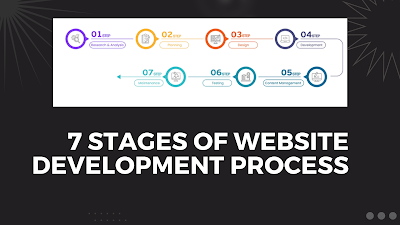
7 Stages of Website Development Process: A Step-by-Step Guide for 2023

iPhone Apps Development Company Bangalore

Website development is a multifaceted process that requires careful planning, design, and execution to create a successful online presence. In 2023, as the digital landscape continues to evolve, it’s crucial to stay up-to-date with the latest trends and technologies to ensure your website not only looks great but also functions seamlessly. In this comprehensive guide, we’ll take you through the seven essential stages of website development, providing you with a step-by-step roadmap to create a website that stands out and delivers results.

1. Research and Analysis:

To initiate any process, it is imperative to conduct thorough research and analysis pertaining to the website. The crucial components of this research involve establishing a clear objective and accumulating a comprehensive pool of available information.

Key inquiries that must be addressed when formulating an objective include identifying the target audience, understanding the website’s offerings, and determining its primary purpose, be it informational, navigational, or transactional. In the case of a service-based company, it is essential to outline the diverse array of services accessible to all user types. Lastly, an exploration of the website’s competitors is highly advisable, as it provides valuable insights and serves as a source of inspiration to deliver optimal outcomes.

The first stage of website development is research and analysis. This phase involves understanding your target audience, competitors, and industry trends. Key tasks include:  

Identifying your website’s purpose and goals.

Conducting market research to identify your target audience’s needs and preferences.

Analyzing competitor websites to gather insights and identify gaps.

Creating user personas to guide design and content decisions.

2. Planning:

Once all the requisite information has been collected, the next step involves the planning of sitemaps and wireframes. During this phase of development, the developer enables users or customers to experience the flow of information acquired in the previous stage.

A sitemap serves as a means to interconnect all the primary facets of your website, offering a comprehensive view of the internal structure of your business. Furthermore, it facilitates an understanding of the connections between different pages and, most importantly, provides effortless navigation through the site.

On the other hand, a wireframe provides a visual representation of the website’s features and services in a more easily comprehensible manner. This representation encompasses elements such as login interfaces, subscription options, live chat functionality, and more.

The estimated timeframe for completing this process typically falls within the range of 3 to 6 weeks, depending on the clarity and effectiveness of the interface design.

Once you’ve gathered valuable insights, it’s time to create a solid plan for your website. During this stage, you’ll:

Develop a clear sitemap and site structure.

Outline the website’s functionality and features.

Create a detailed project timeline and budget.

Choose the right technology stack and content management system (CMS).

3. Design:

The website design phase stands as a pivotal step in the website construction process, significantly contributing to your business’s ultimate success. Effective design serves as a magnet for users, and as such, it must be tailored to cater to the specific audience your business targets.

Nonetheless, when thorough research is conducted during the initial stage, executing this phase becomes a more straightforward task. For instance, designing a website for an e-commerce venture vastly differs from crafting one for a medical facility. Every element, including website themes, layouts, color schemes, imagery, videos, and more, carries equal weight in creating an engaging website and elevating it to new heights, devoid of design flaws.

This stage encompasses three critical components: establishing the page layout, conducting design reviews, and securing approval from management. Consequently, the estimated duration for completing this web development phase typically ranges from 5 to 12 weeks, contingent upon the complexity of graphical representation and user interface requirements.

Design is a critical stage in website development, as it determines the overall look and feel of your site. Key tasks include:  

Creating wireframes and prototypes to visualize the site’s layout and user interface.

Choosing a color scheme and typography that aligns with your brand identity.

Designing graphics, logos, and other visual elements.

Ensuring the website is responsive and mobile-friendly.

4. Development:

Up to this point, the focus has been on crafting the visual and graphic elements of the website. As we transition into the development phase, the majority of the work shifts toward the creation of the programmable code that ensures the website’s seamless functionality.

During the initial stages, the primary focus was on constructing the home page and landing pages, with the subsequent addition of remaining pages in accordance with the sitemap’s structure. Consequently, the estimated timeline for completing this process may fluctuate, typically falling within the range of 15 to 20 weeks.

With the design in place, the development phase begins. Skilled developers bring your design and functionality to life. Key tasks include:

Writing clean, efficient code using web development languages like HTML, CSS, and JavaScript.

Integrating the chosen CMS and developing custom features.

Implementing SEO best practices for on-page optimization.

Testing and optimizing website performance.

5. Content Management:

Following the design and development of your website, the next crucial phase is content management. Content management plays a pivotal role in your business’s success as it dictates what is communicated to your customers. The effectiveness of content management hinges on your ability to organize information and convey your message to customers seamlessly, without compromising quality or introducing unnecessary complexity.

Creating compelling content encompasses various aspects, from crafting engaging headlines to meticulous proofreading, structuring paragraphs, and incorporating visual elements, among others. In today’s competitive landscape, integrating effective SEO practices is essential to maintain a prominent online presence. Staying well-informed about search engine result pages (SERPs) and staying updated on industry-specific changes is imperative.

Achieving a comprehensive understanding and producing high-quality content for the initial phase may typically require 5 to 10 weeks. However, it’s crucial to emphasize that content updates should be conducted regularly to prevent any adverse impact on the website’s metrics. Neglecting routine updates can directly affect the site’s performance.

Content is king on the web, and effective content management is crucial for a successful website. In this stage, you’ll:

Create high-quality, SEO-optimized content, including text, images, and videos.

Organize and categorize content for easy navigation.

Implement a content publishing schedule and workflow.

Train staff or clients on how to update and manage the website’s content.

6. Testing:

Testing stands as a pivotal phase in the website development process, where all the preparations made thus far are geared towards ensuring a seamless website launch. During the testing phase, every aspect of the website, including each page and line of code, undergoes rigorous examination before the website is made live. This comprehensive testing process extends to forms, scripts, and all programmed code, subjecting them to various scenarios and devices to guarantee flawless website performance.

Before launching your website to the public, it’s essential to thoroughly test it for functionality, compatibility, and security. Key testing tasks include:

Conducting usability testing to ensure a smooth user experience.

Checking cross-browser and cross-device compatibility.

Testing website security to protect against potential threats.

Conducting performance testing to optimize load times.

7. Maintenance:

What is the foremost role of a website? Is it merely a one-time service delivery to its users? No, it must undergo continuous updates and maintenance to fulfill its objectives. Ensuring the website operates smoothly and keeps pace with market changes on your platform is imperative.

A reliable method to maintain the website is by implementing a feedback system, allowing prompt resolution of user issues. Establishing a support team to address inquiries related to the website’s services fosters strong customer and brand relationships.

Failure to adequately maintain the website can result in the loss of potential customers. Hence, beyond development and design, maintenance plays a pivotal role in bringing the website to life.

Once you grasp the entirety of the website creation process, your focus shifts to operationalizing the website. Web developers are tasked with crafting a user-friendly, functional website with an innovative user interface. In the subsequent section, you’ll delve into the three types of development necessary to make your website fully functional.

Website development is an ongoing process, and regular maintenance is essential to keep your site running smoothly. In this final stage, you’ll:

Monitor website performance and user feedback.

Apply updates and security patches to keep the site secure.

Add new content, features, or improvements based on user needs.

Continuously analyze website analytics to make data-driven decisions.

Conclusion:

 In Bangalore, SEO Digitz is a leading Web Design Company Bangalore. Providing the best web design services worldwide, we are Bangalore leading web design company in Bangalore. Our goal is to help your business succeed online by creating engaging and affordable websites. User-centered design and branding engage clients and increase brand value.

For More View:

Web Design Companies Bangalore | Website Designing Company Bangalore
Website Design companies Bangalore | Ecommerce Web Development Company Bangalore | Ecommerce Web Design Company Bangalore

SEO Company Bangalore | Bangalore SEO Company | Bangalore SEO Companies
SEO Services Bangalore

Best Android Apps Development Company Bangalore | Android Apps Development Company Bangalore | Android Apps Development Companies Bangalore

Design a site like this with WordPress.com
Get started